

Collagen is a protein that serves as one of the main building blocks for your bones, skin, hair, muscles, tendons, and ligaments. Your body naturally makes collagen, but this production decreases with age. According to dermatologist Dr. Ohara Aivaz as interviewed by Cedars-Sinai, “Collagen is what keeps our skin from sagging, giving us that plump, youthful look,” “Starting in our mid-20s, we slowly begin to lose collagen,” Dr. Aivaz says. “For women, we can lose up to 30% of our collagen production in the first 5 years of menopause.”
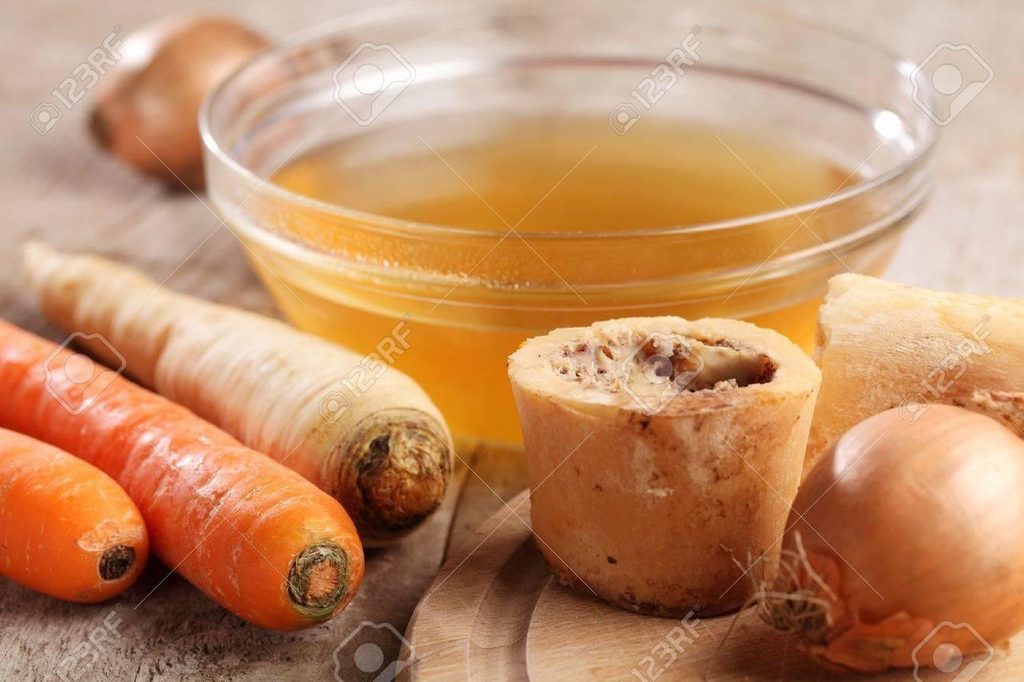
Making bone broth is very simple. All you really need is a large pot, water, vinegar, and bones.
Let’s get started:
Ingredients
Directions
In order to increase the nutritive value of the broth, use a variety of bones such as marrow bones, oxtail, knuckles, and feet. Don’t be overwhelmed. The butcher at the meat counter will be happy to help you! You can use marrow bones from beef, chicken feet, a ham hock bone, etc. You can even mix and match bones in the same batch.
Adding vinegar is important because it helps pull the valuable nutrients out of the bones and into the water, which is ultimately what you will be consuming. You can also add vegetables, herbs and spices to your broth to enhance the flavor and add additional nutrients. You don’t need to be precise. Simply use whatever you have available.
Common additions include garlic, onion, celery, carrot (with the tops), potato, parsley, thyme and even a sliver of ginger. These can be added in step one above. We recommend discarding the vegetables with the other solids, once cooked. The minerals and nutrients from the vegetables and herbs are now in the broth. Since the vegetables are nutrient dead, your digestive tract would have to work extra hard for little value. If you like vegetables, you can always add fresh one’s into your broth for a heartier meal.
Note: The nutritional value will vary depending on the bones used, how long they are cooked and what vegetables and herbs are added to the broth.
Benefits of Bone Broth in Detail
(1)Minerals, Vitamins and Protein for Overall Health
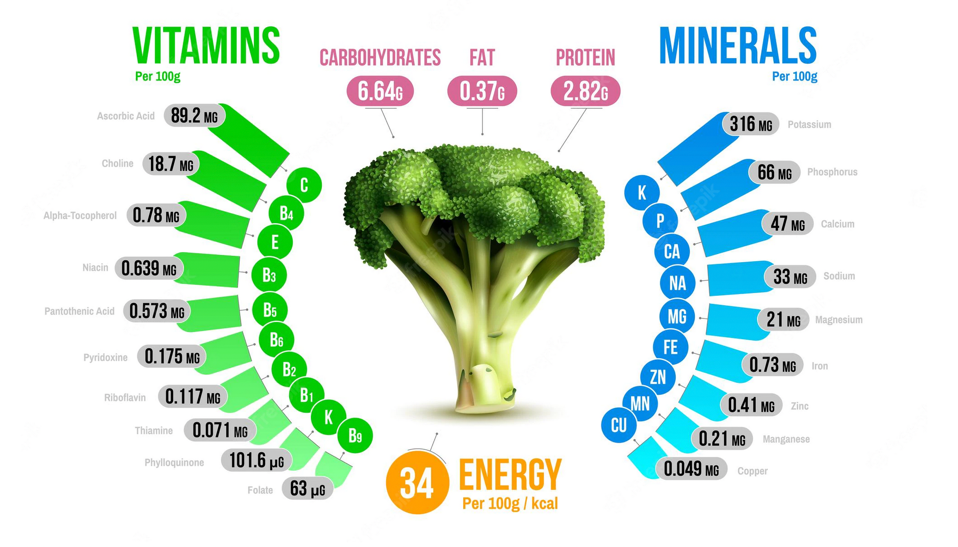
Bone broth is high in protein and minerals. Just 1 cup has around 10 grams of protein! And, that protein comes from nearly 20 different essential and non-essential amino acids that leach into the broth. These amino acids help heal and protect our bodies in all sorts of ways, and bone broth has A LOT of them.
Also, the calcium, magnesium, phosphorus, and many other essential minerals help flush out toxins and reduce inflammation in our bodies. Many of us don’t have enough of these minerals due to the nutrient depleted foods we eat, so bone broth can be a good source. And, combined with the many amino acids, these minerals can help speed up some of our body’s healing processes.
Specifically animal bones are rich in calcium, magnesium, potassium, phosphorus, and other trace minerals; the same minerals needed to build and strengthen your own bones. Fish bones also contain iodine, which is essential for healthy thyroid function and metabolism. Connective tissue gives you glucosamine and chondroitin, natural compounds found in cartilage that are known to support joint health. (chondroitin for bone health). Marrow provides vitamin A, vitamin K2, minerals like zinc, iron, boron, manganese, and selenium, as well as omega-3 and omega-6 fatty acids. All of these animal parts also contain the protein collagen, which turns into gelatin when cooked and yields several important amino acids.
Best yet, the minerals and amino acids in bone broth are bioavailable nutrients, meaning they come in an easy-to-digest form that is more fully absorbed by the body.
(2)Anti-ageing and Skin Health
Ageing is inevitable. Ageing with grace is possible.

Bone broth is associated with collagen, a structural protein found in skin, cartilage and bone. When boiled, the collagen in connective tissue is broken down into gelatin and various other health-promoting amino acids, including glycine and glutamine.
Consuming 300ml of bone broth has been shown to increase plasma levels of the precursor amino acids glycine and proline that are required to form collagen.
In clinical trials, (NIH, Randomized Controlled Trial, “Nutrients”, 2018), collagen was able to improve the hydration, elasticity and appearance of wrinkles in human skin. Collagen also increased the bone mineral density in post-menopausal women and when combined with resistance training improved lean muscle mass and increased fat loss. Similar findings suggest an improvement in the body composition of elderly men..
(3)Improves the Digestive System and Gut Health
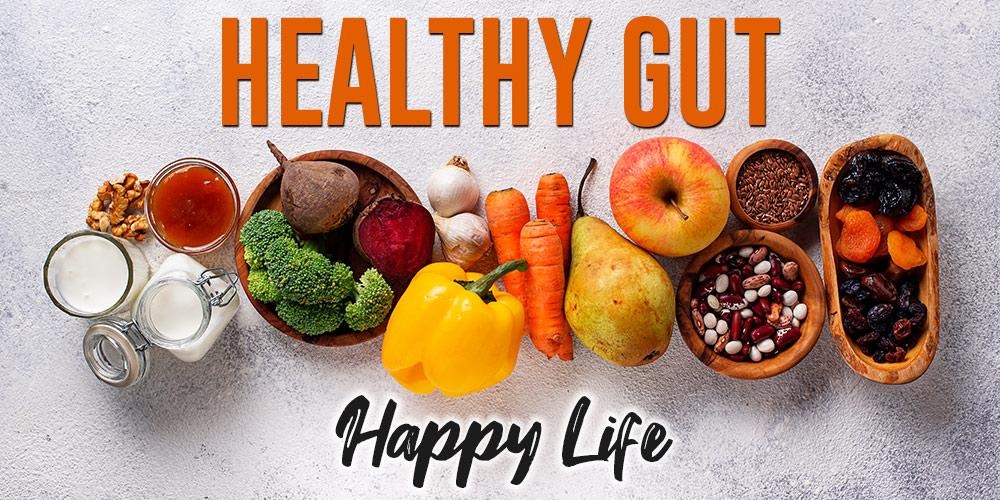
Drinking bone broth may be beneficial for individuals with leaky gut, irritable bowel syndrome (IBS), or inflammatory bowel disease (IBD), such as ulcerative colitis or Crohn’s disease.
Scientists have discovered that your overall health depends heavily on the health of your intestinal tract and flora. Not only is bone broth easy to digest, it may also aid in the digestion of other foods. This is because once in the digestive tract, the gelatin found in bone broth naturally attracts and holds liquids to support the healthy movement of food through the intestines or gut. It’s also been shown to protect and heal the mucosal lining of the digestive tract in rats and is thought to have the same effect in humans, but more research needs to be done to show its effectiveness.
An amino acid in gelatin called glutamine helps maintain the function of the intestinal wall and has been known to prevent and heal a condition known as “leaky gut” . Leaky gut, which is associated with several chronic diseases, is when the barrier between your gut and the bloodstream is impaired and allows undigested or toxic elements into the bloodstream. Basically, substances that your body doesn’t normally allow through, leak into your bloodstream, which leads to inflammation and other problems.
A recent study concluded that intravenous supplementation of the amino acid glutamine was able to support intestinal barrier function in critically ill patients. Similarly, supplementation with glycine was able to increase intestinal immunity and microbial diversity in mice.
(4)Supports Immune Function

Properly prepared natural bone broths are an excellent source of both prebiotic fiber and probiotics (flora) that are easily digested to boost and strengthen the gastrointestinal system and, in turn, aid in the absorption of the essential nutrients the body needs. Specifically, natural bone broths have been found to help with the growth of good bacteria (or probiotics) in the gut, as well as effectively support healthy inflammation levels in the digestive tract.
For your understanding, prebiotics or prebiotic fiber is the non-digestible part of foods like vegetables and fruits that go through the small intestine undigested and is fermented when it reaches the large colon. Why is this important? Well, the fermentation process feeds the ‘good’
bacteria in our gut and increases the number of desirable bacteria or flora, leading to better health, an improved immune system and reduced risk of disease.
Probiotics, on the other hand, are the live beneficial bacteria that are naturally created by the process of fermentation in foods like yoghurt, sauerkraut, kefir, miso soup and kimchi. A helpful way of thinking about the difference is by thinking of a garden. Probiotics are like the seeds you add to a garden bed, while the prebiotic fiber is the water and fertilizer that helps the seeds grow, thrive and stay healthy. Bone broth has both prebiotics and probiotics and helps both proliferate and propagate further.
(5)Fights Inflammation

The amino acids found in bone broth, including glycine and arginine, have strong anti-inflammatory effects. Arginine, in particular, may be especially beneficial for fighting chronic inflammation.
One animal study shows that administering oral arginine to mice with asthma reduced airway inflammation and improved symptoms of asthma. Another study in rats suggests that supplementing with arginine helps fight inflammation in individuals with obesity, but more research needs to be done in humans.
While some inflammation is necessary, chronic inflammation may lead to a number of serious diseases . Diseases with chronic inflammation include heart disease, diabetes, metabolic syndrome, Alzheimer’s disease, arthritis, and many types of cancer.
(6)Improves Joint Health
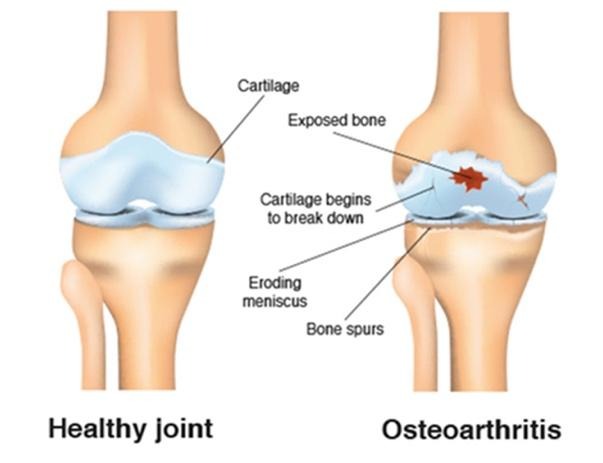
During the cooking process, collagen from bones and connective tissue is broken down into another protein called gelatin. Gelatin contains important amino acids that support joint health. Specifically, gelatin contains proline and glycine, which your body uses to build its own connective tissue. This includes tendons, which connect muscles to bones, and ligaments, which connect bones to each other.
Bone broth also contains glucosamine and chondroitin, which are natural compounds found in cartilage. Multiple studies have found that glucosamine and chondroitin can help decrease joint pain and lessen the symptoms of osteoarthritis
Studies suggest that collagen derived from chicken cartilage is effective at improving pain, stiffness and joint function in patients with osteoarthritis. Gelatin (which is in bone broth) may also be beneficial for injury prevention and tissue repair. A 2017 study found that gelatin alongside vitamin C improved collagen synthesis post exercise and was able to repair tendons.
(7)Weight-loss Friendly


Bone broth is typically low in calories, yet satisfies hunger. This is because it is chalk full of nutrients, feeding you at a cellular level. When your cells are satisfied, your brain sends signals that all is well and you are less likely to overeat and increase your belly y several sizes.
Simple tip: EAT TO FEED YOUR CELLS, NOT YOUR BELLY
Studies have found that eating soup on a regular basis can increase feelings of fullness and may be associated with decreased body weight and belly fat. What’s more, bone broth is high in protein, which may help improve appetite control, increase weight loss, and maintain lean muscle mass . One study in 53 men also found that when combined with resistance training, collagen helped increase muscle mass and decrease body fat .
(8)Improves Sleep and Brain Function.

Glycine, found in bone broth, has been shown to promote sleep. Taking it before bed may help improve quality of sleep, mental function, and memory.
Specifically, the amino acid glycine, found in bone broth, may help you relax. Multiple studies have found that glycine also helps promote sleep and improves the sleep quality of patients with insomnia. It is thought that glycine exerts its effect by regulating our internal body clock and lowering our body temperature to prepare us for sleep.
One study found that taking 3 grams of glycine before bed significantly improved the quality of sleep in individuals who have difficulty sleeping.
Taking glycine before bed helped participants fall asleep faster, maintain a deeper sleep & wake up fewer times throughout the night. This study also found that glycine helped reduce daytime sleepiness and improve mental function and memory.
More information? Send us an email. Info@lifestylequixotica.com
Bone broth dates back to prehistoric times, when hunter-gatherers turned otherwise inedible animal parts like bones, hooves, and knuckles into a broth they could drink. It is made by simmering the bones and connective tissue of animals. Marrow and connective tissues like feet, hooves, beaks, gizzards, or fins can also be used.
Bone broth is a highly nutritious stock commonly used in soups, sauces, and gravies. It has recently gained popularity as a health food due to its numerous benefits.